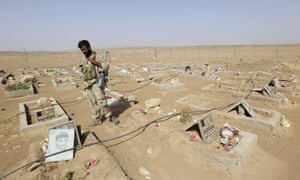
After more than a year of war in Yemen, a UN-brokered ceasefire began at midnight on 10 April. It is hoped that the cessation of hostilities would pave the way for peace talks scheduled to start in a week on 18 April in Kuwait.
Yemen’s war has been a brutal and under-reported battle. The fighting which has often taken place in urban areas has not only killed more than 9,000 people and internally displaced another 2.4 million, it has also devastated the local services infrastructure and economy leaving more than 80% of the population in need of humanitarian assistance – assistance that has been slow to come.
In June 2015, the UN relief arm appealed for $1.6bn for a humanitarian aid response plan for Yemen. That appeal received little over half the requiredamount and this year, as the conflicts lengthens and the needs worsen, the ask has increased to $1.8bn of which, so far, only 16% has been provided. Against this backdrop, the ceasefire promises to be the first step towards peace for the people of Yemen, who are looking to it to provide some indication of the extent to which the various factions in the conflict are committed to ending 13 months of war.
But keeping up with who the warring parties are hasn’t been easy. What at first appeared to be conflict with the Yemeni government backed by Saudi Arabia at one end, and the Houthis and loyalists to ex-president Ali Abdullah Saleh at the other, has disintegrated into many smaller groups with divergent interests and political goals.
To name a few, new factions such as the Taiz resistance, South resistance and Sana’a resistance came into scene after start of the war and are independent of each other as well as from the main warring parties. With no one group strong enough to win the war or with enough clout to provide an umbrella and unite the others, reaching a diplomatic resolution is harder now than at start of the conflict.
This is why as much as we in Yemen welcomed the prospect of peace, we are sceptical about its success. After all, it has failed before, and the people fear a repeat. The first failed peace process did not cast its net wide enough to bring all the parties around the table, and the commitment of those who were present proved to not be firm. As a result, the Taiz and Sana’a resistance rejected the ceasefire and peace talks before they had even started in the past and did so too this time around.

No comments:
Post a Comment