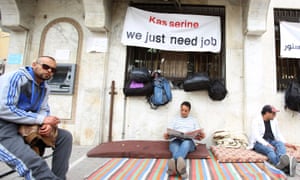
Five years after the beginning of the so-called Arab spring, the situation in the various countries involved is far from stable or good. The aspirations and dreams of the youth, who were behind the uprisings, have turned out to be at best mirages, and in some cases nightmares. Devastating civil wars have erupted. The main objectives – democracy and freedom – have been forgotten. New threats such as the rise of Islamic State (Isis) and terrorism are shaking the region.
Even Tunisia, considered the most successful example, and awarded the 2015 Nobel peace prize for its civil society’s efforts to avoid civil war through implementing dialogue between rival political parties, is challenged by terror and the exapansionism of Isis. It is claimed that the country is the biggest exporter of jihadis to Syria and Iraq. The rapid spread of the terrorist group suggests that the vast majority of young Arabs are poised and ready to join Isis. But the Arab Youth Survey refutes that claim. Conducted to explore attitudes among Arab youth in 16 countries in the Middle East and North Africa (Mena) region, the survey found that an overwhelming majority of young Arabs reject Isis and believe that the group will fail in its aim of establishing an Islamic state. Rather, the group surveyed believes that the biggest obstacles facing the region are unemployment, lack of democracy, rising living costs and civil unrest. Only 13% of the 3,500 interviewed agreed with the statement: “If Isis did not use so much violence, I could see myself supporting it”; 78% rejected it while 9% were unsure about their position. And the majority of those interviewed perceive the lack of jobs and unemployment as the top reason for joining Isis.
As an activist and teacher I have had the opportunity to discuss these issues with my students, as well as young people taking part in demonstrations. A few months ago, I went to Kasserine where protest movements had erupted after the death of a young man. He had been electrocuted while protesting at being rejected for a government job. What happened evoked memories of the self-immolation of Mohammed Bouazizi, that triggered the Tunisian revolution. Demonstrations started in Kasserine and spread to other regions of the country – even the capital.

No comments:
Post a Comment